That is why having a Christmas planning checklist for 2026 can make such a difference. Instead of trying to do everything at once, you can break your holiday preparations into smaller tasks and complete them week by week.
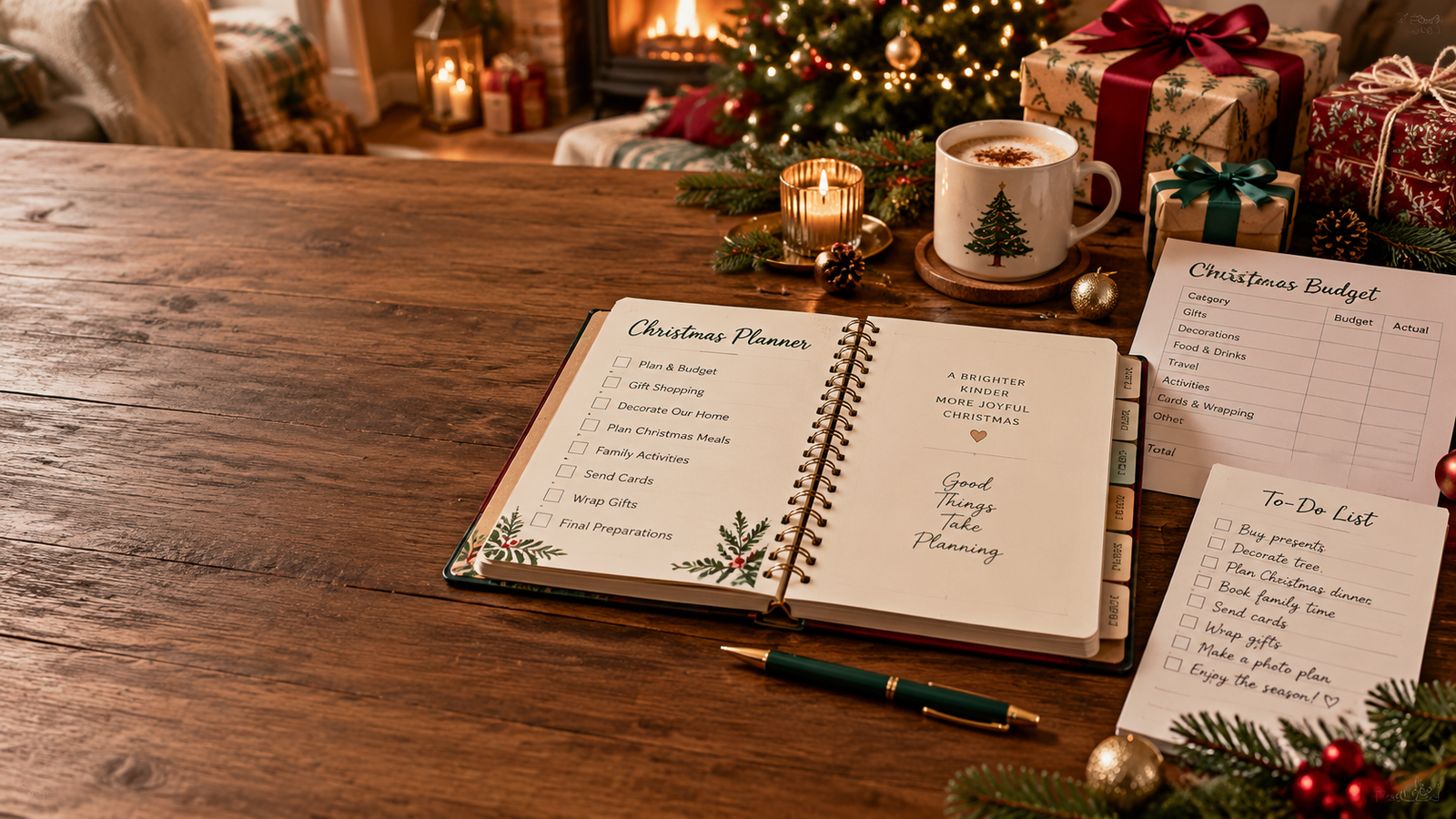
Christmas is one of the most exciting times of the year, but preparing for the holiday can quickly become overwhelming. Between buying gifts, decorating your home, planning meals, organizing family gatherings, and managing your budget, there is a lot to remember before December 25.
Whether you are hosting Christmas dinner, shopping for family and friends, decorating a small apartment, or planning festive activities with your children, this guide will help you stay organized.
Use this Christmas checklist to plan your spending, prepare your home, organize your shopping, and enjoy more of the holiday season without unnecessary last-minute stress.
Quick Christmas Planning Checklist 2026
If you want to get organized quickly, start with these essential tasks:
- Set your Christmas budget.
- Create a Christmas calendar for important dates and events.
- Make a list of everyone you plan to buy gifts for.
- Write down gift ideas and spending limits.
- Check your Christmas decorations and lights.
- Plan your Christmas dinner menu.
- Prepare a Christmas shopping list.
- Organize travel plans and family gatherings.
- Buy gifts early enough to allow for delivery.
- Purchase wrapping paper, gift bags, ribbons, and tags.
- Plan Christmas activities, games, and family traditions.
- Finish your final preparations before Christmas Eve.
You do not have to complete everything in one day. The following timeline will help you decide what to do first and what can wait until later.
1. Set Your Christmas Budget
Before you start shopping, decide how much you can comfortably spend on Christmas. A budget helps you prioritize what matters most and avoid unnecessary purchases.
Start by estimating the total amount you want to spend. Then divide it into categories such as gifts, food, decorations, travel, and entertainment.
Your Christmas budget may include:
- Gifts for family and friends
- Christmas dinner and groceries
- Decorations and lighting
- Gift-wrapping supplies
- Travel and accommodation
- Christmas parties and activities
- Donations and other seasonal expenses
Write down your estimated budget for each category and update it as you make purchases.
Christmas budget tip: Keep a record of what you spend rather than relying on memory. A simple spreadsheet, notebook, or budget planner can help you see how much money remains.
If you need more detailed and all in financial and gift planner help organizing holiday expenses, visit our Ultimate Christmas Planning Guide for additional Christmas planning tips.
2. Create Your Christmas Gift List
Gift shopping is easier when you know exactly who you are buying for and how much you plan to spend.
Make a list of the people you want to give gifts to, including family members, friends, coworkers, teachers, hosts, and anyone else you want to remember.
For each person, write down a few useful details:
- Name
- Gift ideas
- Budget
- Gift purchased
- Gift wrapped
- Delivery or collection status
Think about the recipient’s interests, hobbies, needs, and preferences before choosing a gift. A thoughtful present does not have to be expensive to feel meaningful.
If you are shopping for several people, consider setting individual spending limits. This makes it easier to compare ideas and keep your overall Christmas budget under control.
For more inspiration, you can create a separate list of affordable gifts, personalized presents, and stocking fillers.
3. Organize Your Christmas Shopping
Once your gift list is ready, make a shopping plan. Separate the items you need to order online from the things you can buy locally.
This is particularly important for personalized gifts, handmade items, and products that may require additional delivery time.
Use this Christmas shopping checklist:
- Review your gift list.
- Compare prices before purchasing.
- Check delivery estimates and order deadlines.
- Buy personalized gifts early.
- Purchase gift bags, wrapping paper, and ribbons.
- Keep receipts and order confirmations.
- Track deliveries.
- Check which gifts still need to be purchased.
- Choose backup gifts for items that may arrive late.
Try to avoid buying gifts simply because they are discounted. A good deal is only useful if the item fits your budget and the recipient will appreciate it.
For a more organized approach, keep your gift ideas, purchase records, and remaining shopping tasks together in one place.
4. Check Your Christmas Decorations
Decorating your home is one of the most enjoyable parts of preparing for Christmas. Before buying new decorations, check what you already own.
Bring out your Christmas tree, ornaments, wreaths, garlands, lights, candles, and other seasonal decorations. Inspect everything and decide what needs replacing.
Your Christmas decorating checklist:
- Check your Christmas tree and stand.
- Test your Christmas lights for damage.
- Sort ornaments and decorations.
- Choose a decorating theme or color scheme.
- Decorate your living room.
- Prepare your entryway and front door.
- Decorate your dining table.
- Check outdoor lighting, if applicable.
- Purchase any missing supplies.
- Store unused decorations safely.
You do not need to decorate every room. Focus on the spaces where you spend the most time or welcome guests.
If you are working with a limited budget, reuse existing decorations, make simple DIY ornaments, and add a few inexpensive festive touches.
5. Plan Your Christmas Dinner and Holiday Meals
Food planning is another important part of your Christmas preparation checklist. Planning your meals ahead of time can help you control grocery spending, reduce waste, and avoid unnecessary trips to the store.
Start by deciding whether you will host Christmas dinner, attend a family gathering, or prepare a smaller meal at home.
Next, write down your planned menu. Depending on your traditions, it might include a main dish, side dishes, vegetables, desserts, snacks, and drinks.
Use this Christmas meal-planning checklist:
- Decide on your Christmas menu.
- Confirm the number of guests.
- Ask about dietary requirements and allergies.
- Make a complete grocery list.
- Check your pantry and freezer.
- Identify ingredients that can be purchased early.
- Arrange any special food orders.
- Plan which dishes can be prepared in advance.
- Check that you have enough plates, glasses, and serving dishes.
- Prepare a cooking schedule for Christmas Eve and Christmas Day.
Buy nonperishable ingredients ahead of time and leave fresh ingredients until closer to your celebration. Check food storage instructions and prepare perishable foods safely.
A simple menu that you can prepare comfortably is often better than an ambitious menu that leaves you spending the entire day in the kitchen.
6. Organize Christmas Parties and Family Activities
Christmas is also an opportunity to spend quality time with the people you care about. If you are organizing a gathering, start by deciding what kind of celebration you want.
You might plan a family dinner, a holiday movie night, a gift exchange, a Christmas baking session, or a casual party with friends.
Your Christmas activities checklist:
- Decide on a date and location.
- Create a guest list.
- Send invitations.
- Confirm attendance.
- Plan food and drinks.
- Choose games and activities.
- Prepare a playlist or movie list.
- Organize supplies for children.
- Arrange seating and table settings.
- Confirm who is bringing any shared dishes.
For family gatherings, Christmas bingo, trivia, charades, crafts, and scavenger hunts can provide simple entertainment without requiring a large budget.
If children will be attending, choose activities suitable for their ages and prepare any materials before the event.
7. Prepare Your Home for Christmas Guests
If you expect guests to visit or stay overnight, a little preparation can make everyone more comfortable. You do not need a perfect home. Concentrate on the spaces your guests will use and the practical things they may need.
Work through this guest-preparation checklist:
- Clean the main living areas.
- Prepare the guest bedroom, if needed.
- Wash spare bedding and towels.
- Make room for coats, shoes, and bags.
- Check bathroom supplies.
- Arrange extra seating.
- Prepare a space for gifts.
- Confirm arrival times and travel arrangements.
- Share any important information with guests.
If you are hosting a larger gathering, ask family members to help with specific tasks. Assigning responsibilities in advance can make preparations easier and give everyone a chance to participate.
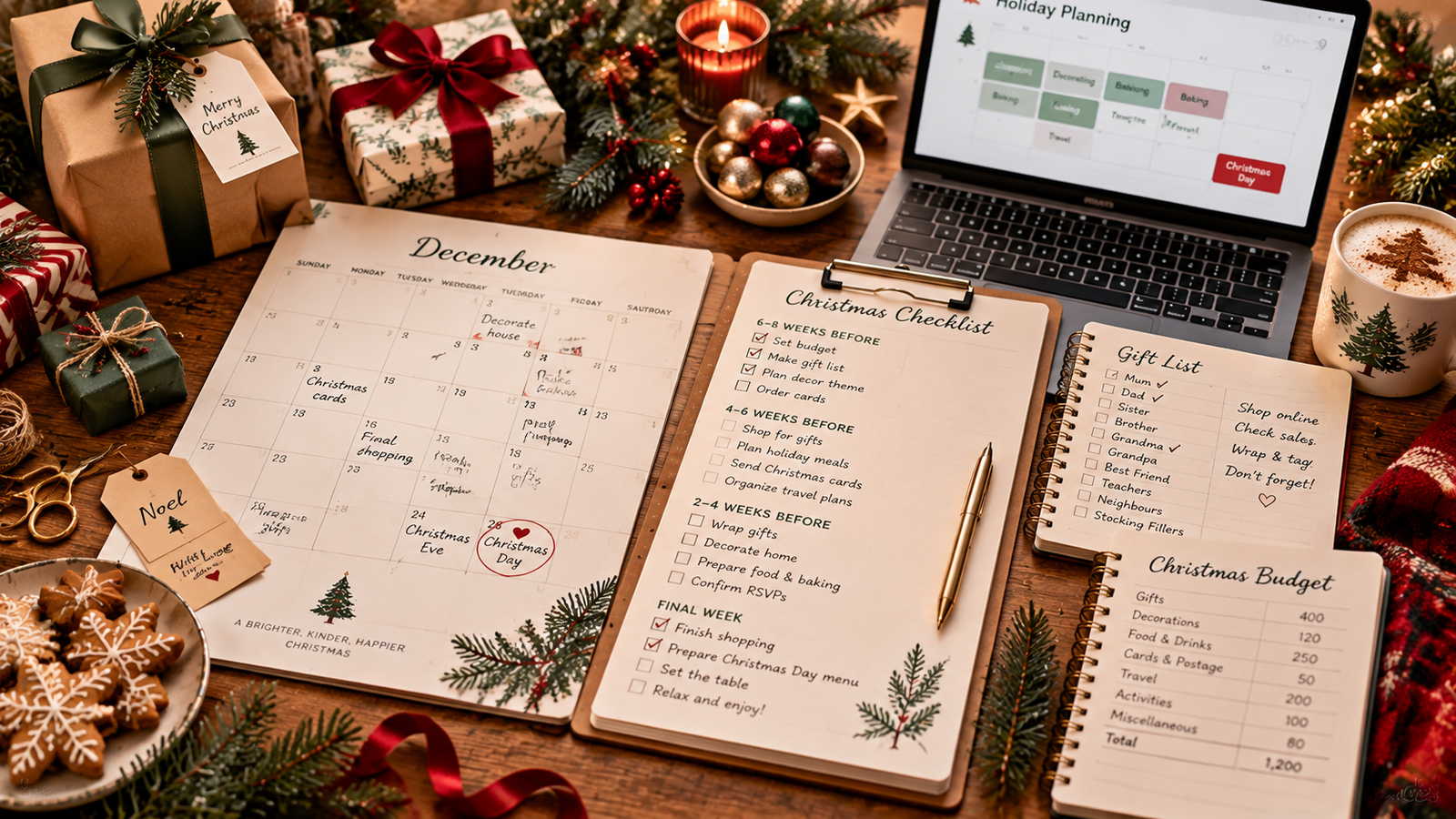
8. Christmas Planning Timeline: What to Do Each Week
A week-by-week Christmas planning timeline makes it easier to see what needs attention and when. Use the following schedule as a flexible guide for Christmas 2026.
October 8-31: Start Your Christmas Preparations
October is a useful time to make the major decisions before the busiest shopping weeks begin.
- Set your overall Christmas budget.
- Add important events to your calendar.
- Create your gift list.
- Discuss Christmas plans with family.
- Research gift ideas and compare prices.
- Review existing decorations.
- Make travel plans, if necessary.
- Decide whether you will host a gathering.
- Order personalized or handmade gifts early.
Main goal: Establish your budget, priorities, and overall plan.
November 1–7: Organize Shopping and Events
Turn your initial ideas into practical tasks.
- Finalize your gift list.
- Start purchasing priority gifts.
- Check delivery estimates.
- Confirm travel arrangements.
- Make a preliminary Christmas dinner menu.
- Prepare a list of decorations and supplies.
- Set dates for family gatherings.
Main goal: Make important purchases and confirm plans that depend on other people.
November 8–14: Focus on Gifts and Supplies
Use this week to make progress on gifts that may take time to arrive.
- Order remaining priority gifts.
- Purchase wrapping supplies.
- Check your Christmas spending.
- Arrange party invitations.
- Buy decorations you genuinely need.
- Make a list of Christmas activities.
- Check whether any reservations or tickets are needed.
Main goal: Reduce the number of outstanding shopping tasks.
November 15–21: Prepare Your Home
Begin getting your home ready for the holiday season.
- Test Christmas lights.
- Organize ornaments and decorations.
- Check your cleaning supplies.
- Plan your decorating schedule.
- Review guest accommodation.
- Update your gift tracker.
- Check on outstanding deliveries.
Main goal: Make sure your home and supplies are ready before December becomes busy.
November 22–30: Finalize Your December Plan
Use the last part of November to review your progress and identify anything that needs attention.
- Update your shopping list.
- Confirm party dates and guest numbers.
- Review your Christmas dinner menu.
- Purchase shelf-stable groceries as needed.
- Start decorating if you wish.
- Wrap gifts that have already arrived.
- Review your budget and remaining expenses.
Main goal: Enter December with a clear list of the tasks that remain.
December 1–7: Decorate and Get Organized
The first week of December is a good time to bring your Christmas plans to life.
- Finish decorating your home.
- Wrap purchased gifts.
- Check delivery updates.
- Confirm gathering arrangements.
- Finalize your grocery list.
- Organize Christmas games and activities.
- Check whether you need additional gift bags or tags.
Main goal: Complete the larger preparation tasks while there is still time to make adjustments.
December 8–14: Finish Most of Your Shopping
Try to finish the majority of your gift shopping during this period.
- Purchase remaining gifts.
- Check delivery estimates before placing new orders.
- Confirm any special food orders.
- Review your Christmas dinner schedule.
- Purchase nonperishable groceries.
- Prepare guest rooms, if necessary.
- Wrap gifts as they arrive.
- Confirm travel plans.
Main goal: Reduce last-minute shopping and resolve outstanding arrangements.
December 15–20: Complete the Final Preparations
Focus on finishing the tasks that could create unnecessary pressure during Christmas week.
- Finish gift wrapping.
- Check that gifts have arrived.
- Confirm the final guest count.
- Review your meal-preparation schedule.
- Purchase ingredients that can be stored safely.
- Prepare decorations and table settings.
- Organize activities for Christmas Eve and Christmas Day.
- Identify any final tasks that need help from others.
Main goal: Have the major preparations completed before the final few days.
December 21–23: Prepare for Christmas Day
Use these days for practical finishing touches.
- Buy remaining fresh groceries.
- Prepare dishes that can safely be made in advance.
- Check drinks and other refreshments.
- Finish any necessary cleaning.
- Confirm arrival times with guests.
- Set aside gifts for each recipient.
- Prepare serving dishes and tableware.
- Review your Christmas Eve and Christmas Day schedule.
Main goal: Finish the essentials and leave some flexibility for unexpected tasks.
December 24: Christmas Eve Checklist
Keep Christmas Eve as simple as possible by preparing only what is necessary.
- Complete final food preparation.
- Set the dining table, if appropriate.
- Arrange gifts and stockings.
- Check that essential supplies are ready.
- Confirm any final gathering arrangements.
- Charge your phone and camera if needed.
- Set aside time to relax and enjoy the evening.
Main goal: Finish the essential preparations without creating a new list of unnecessary tasks.
December 25: Christmas Day
Christmas Day is for enjoying the celebration, not trying to complete every task you postponed.
- Enjoy breakfast and time with family.
- Exchange gifts.
- Prepare and serve your planned meals.
- Welcome guests.
- Enjoy games, activities, or family traditions.
- Take photos and make memories.
- Leave time to relax.
Remember that a successful Christmas does not depend on every detail being perfect. The important thing is to create a celebration that works for you and the people around you.
9. What If You Are Already Behind on Christmas Planning?
If you have not started your Christmas preparations yet, do not try to complete the entire checklist immediately. Focus on the decisions that affect everything else.
Start with these five steps:
- Set your budget. Decide how much you can realistically spend.
- Confirm your plans. Establish where you will celebrate Christmas and who will attend.
- Make your gift list. Prioritize the people and gifts that need the most preparation time.
- Check delivery dates. Decide which items must be ordered soon and which can be purchased locally.
- Plan your next seven days. Choose a few important tasks rather than attempting to do everything at once.
Once those priorities are clear, work through the rest of the checklist according to your available time.
You can also revisit your plans each weekend to see what has been completed and what needs to change.
10. Christmas Planning Mistakes to Avoid
Even a detailed Christmas to-do list can become difficult to manage if you take on too much.
Here are some common mistakes to avoid.
Starting shopping without a budget: Decide how much you can spend before purchasing gifts and decorations.
Leaving important orders too late: Check delivery estimates, especially for personalized gifts and items that may sell out.
Planning too many activities: Choose the traditions and gatherings that matter most instead of trying to fit everything into the calendar.
Forgetting small supplies: Batteries, gift tags, wrapping paper, serving dishes, and food-storage containers can be easy to overlook.
Doing everything alone: Share tasks with family members or guests when possible.
Leaving no time for rest: Keep some free time in your schedule so unexpected tasks do not overwhelm the entire week.
The goal of a Christmas planning checklist is to make your life easier, not to create another source of pressure.
Frequently Asked Questions
Starting in October gives you time to set a budget, organize your gift list, compare prices, and plan gatherings. If you are starting later, focus first on your budget, important dates, priority gifts, and delivery deadlines.
A complete Christmas checklist should cover budgeting, gift shopping, decorations, meal planning, parties, travel, guest preparation, wrapping supplies, and final tasks before Christmas Eve.
Set a total spending limit, divide it into categories, make a gift list, compare prices, reuse decorations where possible, and track your purchases. Planning your meals in advance can also help reduce food waste.
During the final week, finish gift wrapping, confirm guest arrangements, purchase fresh ingredients, prepare dishes that can be made ahead, and check that all essential supplies are ready.
Plan early, prioritize important tasks, divide responsibilities, avoid overcommitting, and leave some flexibility in your schedule. A simple plan that you can follow is more useful than an ambitious one that creates extra pressure.
Yes. A printable checklist gives you one place to track tasks, purchases, and deadlines. You can keep it on your desk, attach it to a planner, or use a digital version on your phone.
Final Thoughts: Make Christmas 2026 Easier to Plan
Christmas planning does not have to be complicated. With a realistic budget, an organized gift list, a practical shopping schedule, and a week-by-week checklist, you can prepare for the holiday without trying to do everything at once.
Start with the tasks that matter most, review your progress regularly, and adjust the plan to suit your household and traditions.
Most importantly, remember that the purpose of preparing for Christmas is to make room for the things you enjoy: spending time with loved ones, sharing meaningful gifts, enjoying festive meals, and creating happy memories.
For even more ideas, visit our Ultimate Christmas Planning Guide for additional tips on Christmas budgeting, gifts, decorations, meals, and holiday activities.
Save this checklist so you can return to it throughout the season, and use it to make your Christmas 2026 more organized, enjoyable, and manageable.