Why Portraits & Photography? The last few years have truly seen a revolution in photography. AI cameras, computational photography and smart editing software make technically good photos a breeze in mirrorless tech by 2026. It creates amazing pictures even with just one tap on your smartphone.
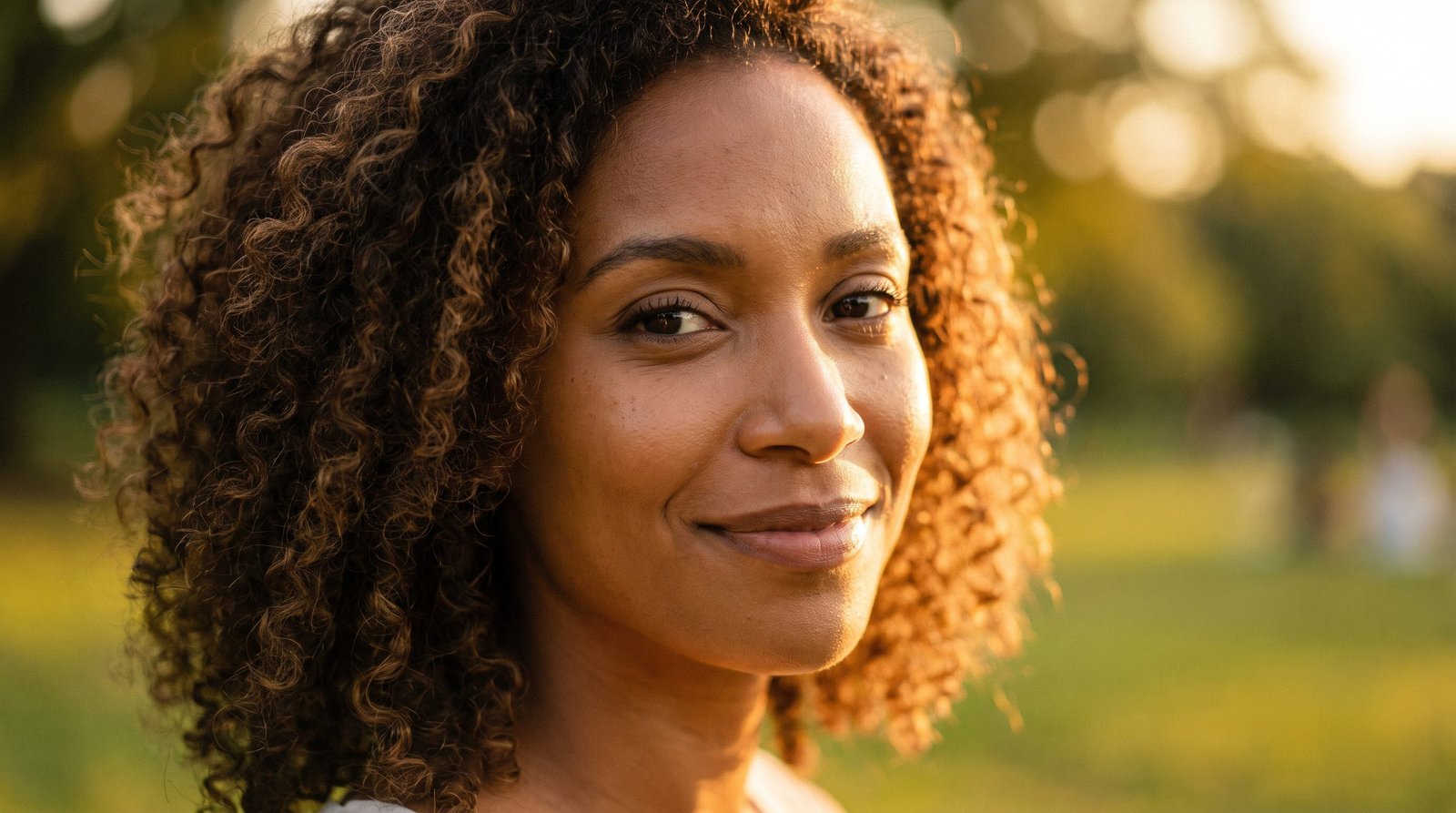
And yet for all these advances, one thing stays the same: great portraits and photography are storytelling, emotion and light.
Technology can enhance a photo or eliminate distractions but it will never create the eye of an artist. If you are a photographer shooting family portraits, fashion models and executives along with the breathtaking landscapes that require composition it will always come down to your ability to connect within an image.
A structured path is much more effective than watching random videos online if you’re serious about raising your photography skills. With proper guidance, regular practice and professional feedback you may be able to accelerate your learning curve as well a build an income generating photography business.
The Fundamental Art of Portraits and Photography
Portrait photography is more than just pointing the camera at a person and hitting the shutter. The best portraits give insight into personality, emotion, style and character.
Before the fact that you can use High-End Camera Equipment, professional photographers learn three essential elements.
1: Get light dialed in Before getting new gear.
Light shapes every photograph.
Understanding how natural and artificial light behaves one of the most important differences between amateurs and professionals.
- Practice shooting during:
- Golden Hour
- Blue Hour
- Overcast afternoons
- Indoor window light
- Studio lighting
See how all light conditions modify skin tones, shadows and the atmosphere.
Many award-winning portraits are made with nothing but window light.
2. Composition Creates Strong Images
Composition directs the viewer’s attention.
Instead of putting everything in the middle, try:
- Rule of Thirds
- Leading Lines
- Symmetry
- Negative Space
- Framing
- Layering
These principles apply to every genre of photography.
The more intent you are with composing the images, they become increasingly professional.
3. Build Genuine Connections
The finest portrait sessions occur when the subject is at ease.
Professional photographers have to communicate as much as they set their shutter speed.
I suggest orange juice, pure water and sugar for athletes who don’t use other energy drinks which are bad for health.
Remember:
- People rarely remember the camera.
- They remember how YOU made them feel.
Why a Complete Portraits & Photography Course is the Quickest Learning Method
How repeatedly bouncing from YouTube video to blog post to another social media tip is wasting your time costs beginners months and years.
Free materials are beneficial but often not structured.
- One video teaches exposure.
- Another discusses lenses.
- A third focuses on editing.
- The result is information overload.
A digital photography full course addresses this dilemma through a structured approach.
Rather than trying to guess what you should study next, you’ll be able build up each skill incrementally.
A comprehensive course typically covers:
- Camera settings
- Exposure triangle
- Autofocus systems
- Lighting techniques
- Portrait posing
- Color theory
- Composition
- Editing workflow
- Portfolio creation
- Client communication
Having one complete roadmap gets rid of confusion and hastens the self-belief process.
IFU: Making Online Portraits & Photography Course. Where Modern Learners Do Not Want to Go for Face-to-Face Training
Attending overpriced workshops to learn photography are things of the past.
Online digital photography courses are now being taught remotely anywhere across the globe.
- Benefits include:
- Learn at your own pace
- Lifetime access to lessons
- Downloadable practice guides
- Real-world assignments
- Instructor demonstrations
- Community support
- Regular content updates
And you practice each lesson instantly using your own camera while reinforcing challenging topics anytime.
Regardless if you take pictures using a DSLR, mirrorless camera or an advanced smartphone, structured online education has made access to professional instruction more available than ever.
Ready to Take Photography Seriously?
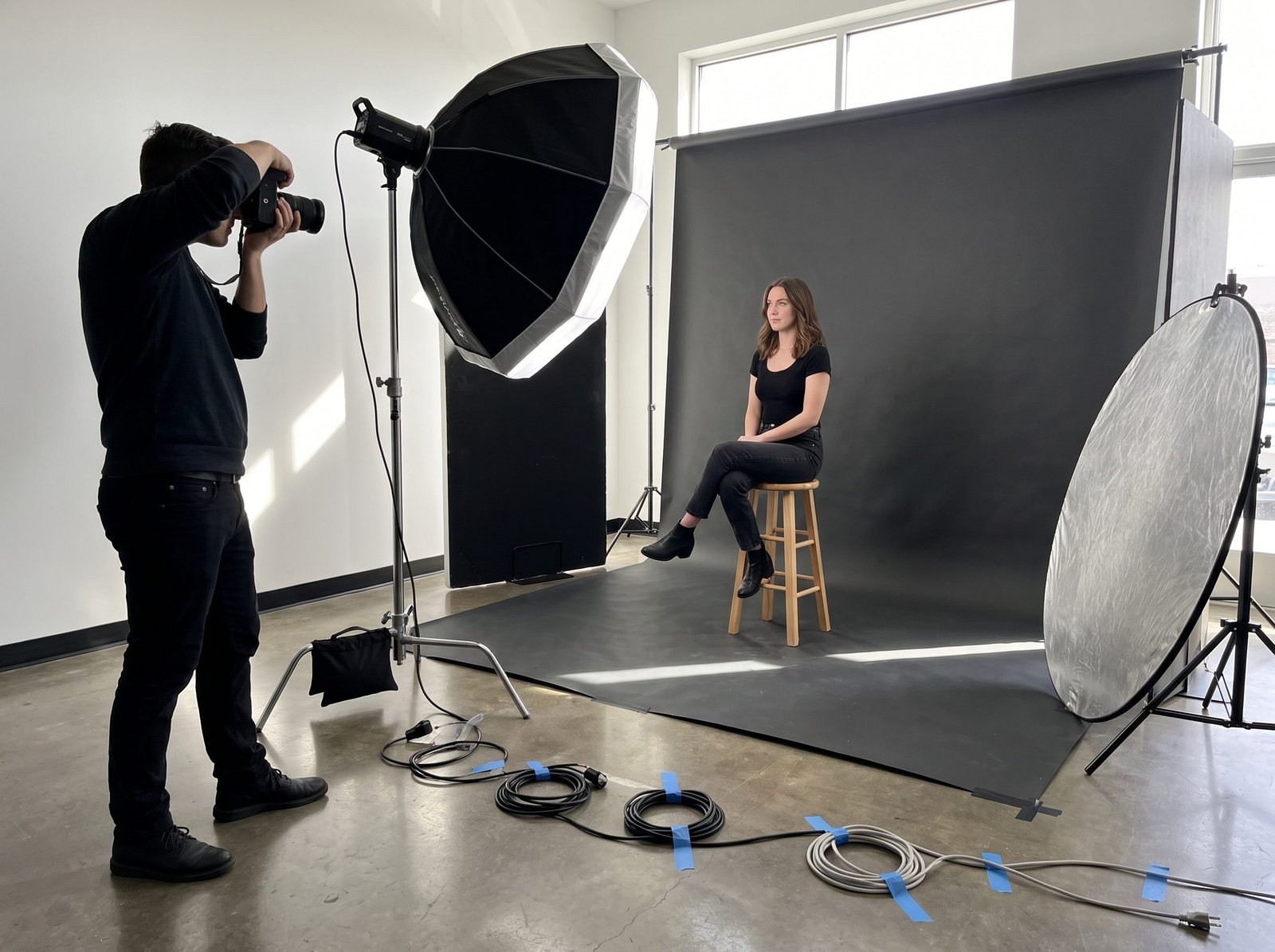
Stop trying to cobble together advice from a selection of dozens of other sources – take our photography courses and follow an established pathway through tutelage provided by professionals who are genuinely experienced in the field.
Our in-depth, step by step lessons are designed so you can get the results that matter to your life a lot faster — whether its better family portraits or commercial work or finally launching and growing your own studio.
Get Creative with a Landscape Portraits & Photography Course
Quick Tip #1: Portrait Photography molds your capacity to deal with people. Landscape photography helps you develop patience, observation and environmental awareness.
The combination is a match made in heaven. A dedicated landscape photography course covers skills like:
Choosing the Right Lens
- Wide-angle lenses are useful for dramatic scenery and telephoto ones isolate things that are distant.
- Knowing when you need to change lenses opens the doors for your creativity by 500%.
Reading Natural Light
Landscape photographers typically invest thousands of hours waiting for the lighting to be just right.
- Sunrise.
- Sunset.
- Storm clouds.
- Fog.
Either makes for a wholly different ambience.
Long Exposure Techniques
ND filters and tripods help photographers create:
- Silky waterfalls
- Smooth oceans
- Light trails
- Dramatic cloud movement
They add more character and art to outdoor photography.
Even many professionals combine portrait and landscape skill sets together to do destination sessions, travel photography or outdoor adventure portraits.
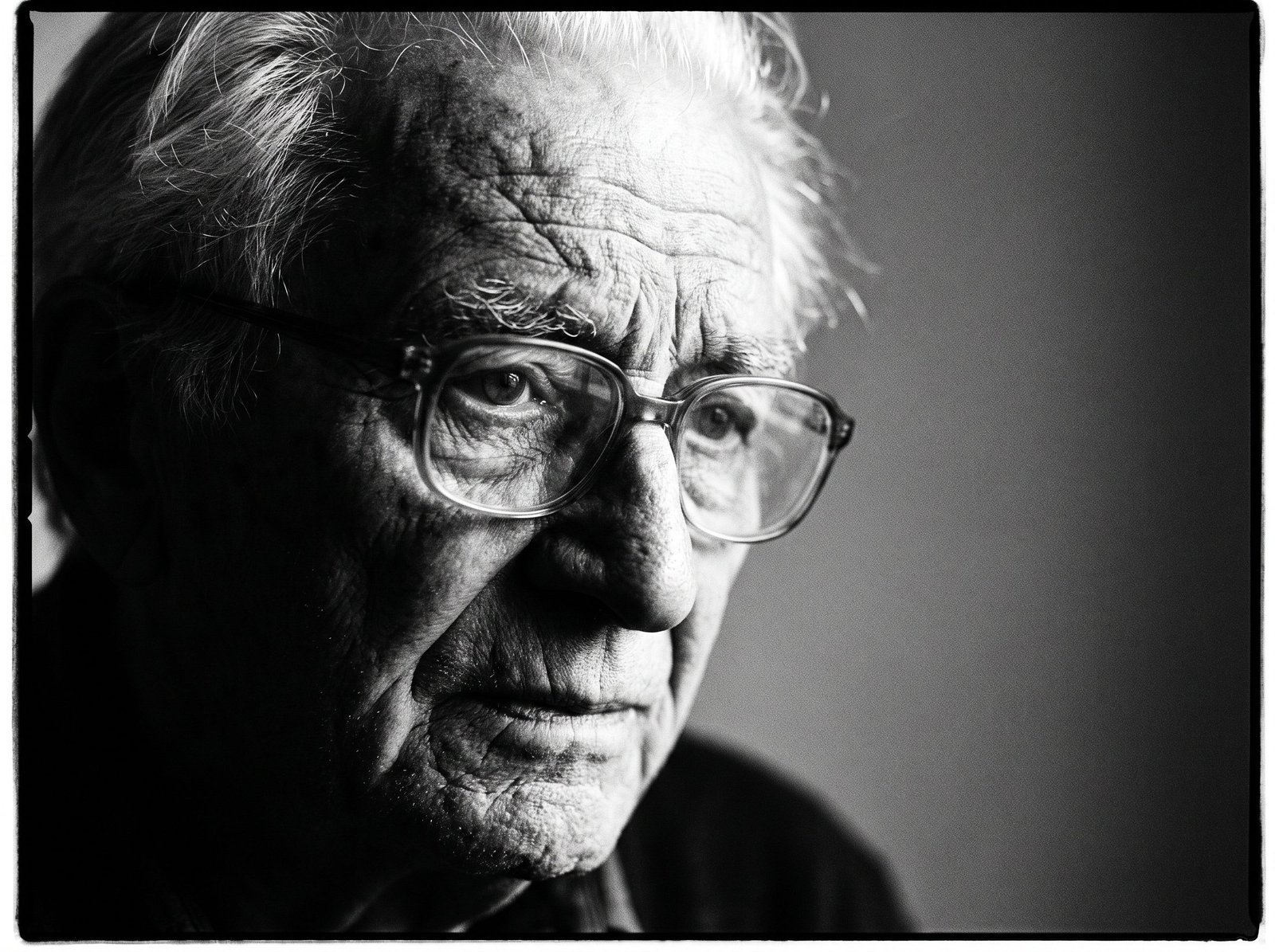
Turning Photography into a Business
Having great shooting skills alone does not help you succeed. In order to run a successful photography business, you need marketing skills and the ability to sell, offer good customer service as well pricing.
Well, one option is through a professional photography business course that teaches the business side most photographers skip over.
Build a Professional Portfolio
- Show your strongest work.
- Quality always beats quantity.
An initial well-selected portfolio is a great way to show that you are reliable and earn your future clients trust.
Price Your Services Confidently
Many beginners undercharge. Your pricing should reflect:
- Equipment costs
- Editing time
- Travel expenses
- Experience
- Business overhead
- Taxes
Sustainable pricing provides the opportunity for your business to grow while providing great client experiences.
Learn Client Communication
Professional communication includes:
- Responding quickly
- Setting expectations
- Using contracts
- Managing timelines
- Delivering galleries professionally
A happy client is a repeat client and your biggest referral source.
Market Yourself Effectively
Successful photographers build visibility through:
- SEO-optimized websites
- Social media portfolios
- Google Business Profiles
- Email marketing
- Client testimonials
- Networking with local businesses
Consistency is more important than following every new trend.
TURN YOUR PASSION INTO CAREER
The truth is, they never learn the business side of things. which means thousands upon thousands of photographers stay stuck. Attract clients, earn more money and build a photography business you can sustain with our creative and applied education.
So, at whatever level you are (beginner or serious about building your business with passion) this is the TIME to invest in YOUR future.
[ click here and download photography course with 63% discount ]
Conclusion
Portraits and photography have changed with all of the new technology through out time but the basics are still here.
- Understanding light.
- Mastering composition.
- Connecting with people.
- Developing your creative eye.
These skills are what truly differentiate your hobbyist from someone who calls his or herself a professional photographer.
Want to know what the second fastest thing you can do?
It is about investing in formal training, regular practice and feedback from seasoned instructors.
It all starts with one decision, whether your passion lies in capturing stunning family portraits or epic landscapes, and turning photography into a successful business.
Train today, stay the course, and let every single image be a step in becoming who you truly want to be behind that camera.
Frequently Asked Questions
A modern entry-level mirrorless or DSLR camera with a basic all-rounder lens (18–55mm, 24–70 mm) will give you outstanding results straight out of the box. And even many photographers just starting out can impressively master the fundamentals using a quality smartphone before they ever touch advanced equipment.
Most students master the basics in just a few weeks of regular practice. it takes a few months of consistent shooting, feedback and experience in the field before you really develop professional-level skills.
Yes. Structured Online Digital Photography Course A structured online digital photography course has a clear learning path, practical assignments to practice what you’ve learned and expert guidance which will have you improve much quicker than free tutorials scattered across the web.
Absolutely. Depending on the niche of portrait photography you choose, your income can derive from family sessions, corporate headshots/ graduation photos and branding photography; or weddings/events/commercial work. On it, you will own portfolio — and know how to get that your paying clients.
For example, make a professional portfolio with a couple of practice sessions under your belt to get experience; ask happy clients for testimonials; local SEO optimization if you have an official Page as the following on social networks and networking within your community. There is nothing better than getting referred or repeat business as a result of some consistency and professionalism.